What’s the story?
Four friends in South London prepare to enter the next stage of their lives as they sit their A Levels, with each facing questions about what the future holds. While Tunde hopes his years of studiousness will secure his first choice uni admission, Salim embraces his religious background more strongly, and Paul’s career ambitions stray from convention. Devonte, Jamaican-born and living with his auntie since age 10, learns that his right to stay in the country he now calls home could be in jeopardy.
Where is it playing?
Brixton House, until July 5th – https://brixtonhouse.co.uk/shows/one-way-out/
Spoiler-Free(ish) Thoughts
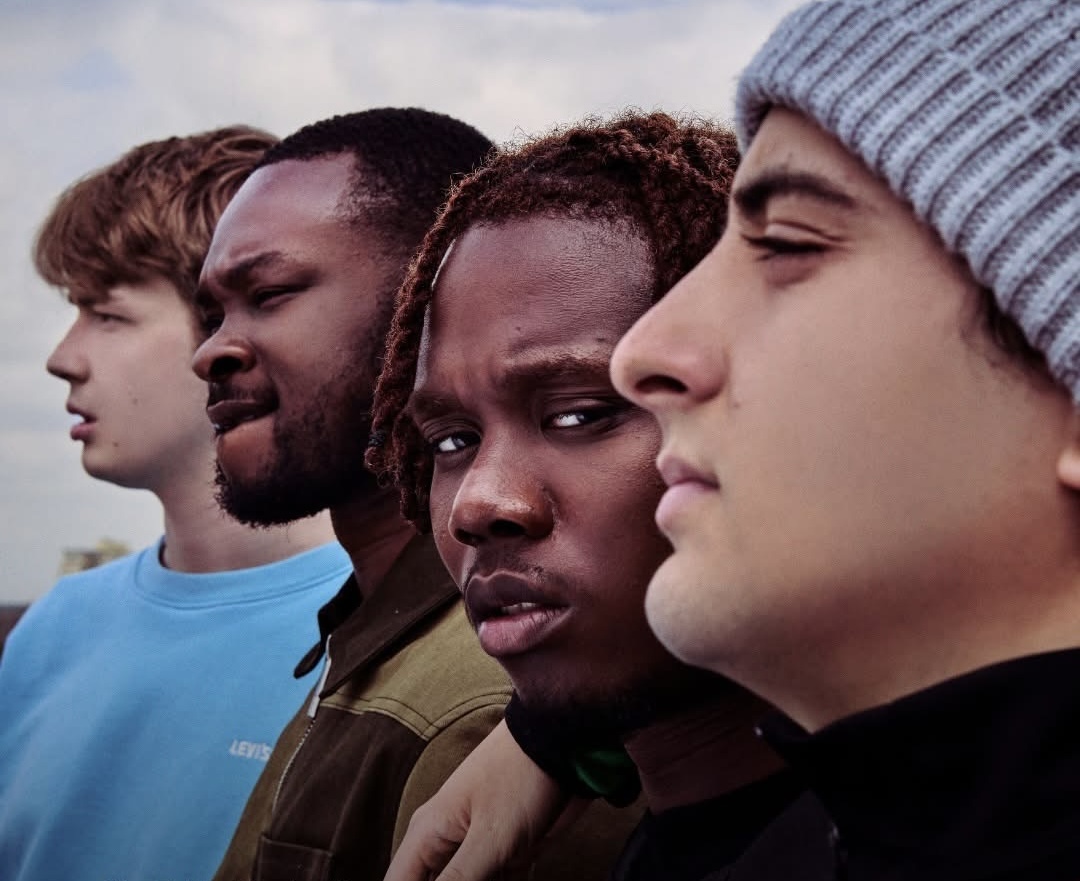
I last saw Montel Douglas’ One Way Out just before he and his team at No Table Productions took the show to 2023’s Edinburgh Fringe, and was taken aback by how painfully relevant the core subjects are. Now two summers on, the urgency and timeliness of the piece rings through more loudly than ever. It’s initially easy to assume (for me, at least) that David Alade’s academically-driven Tunde will have the central journey, an opening scene setting up that the boys are in hot water for the breaking of a sixth-form window, and that Tunde was the instigator. Pair that with his determination for acceptance to Durham, and the stage seems set for another young Black man to be held accountable beyond what might be required of his white peers.
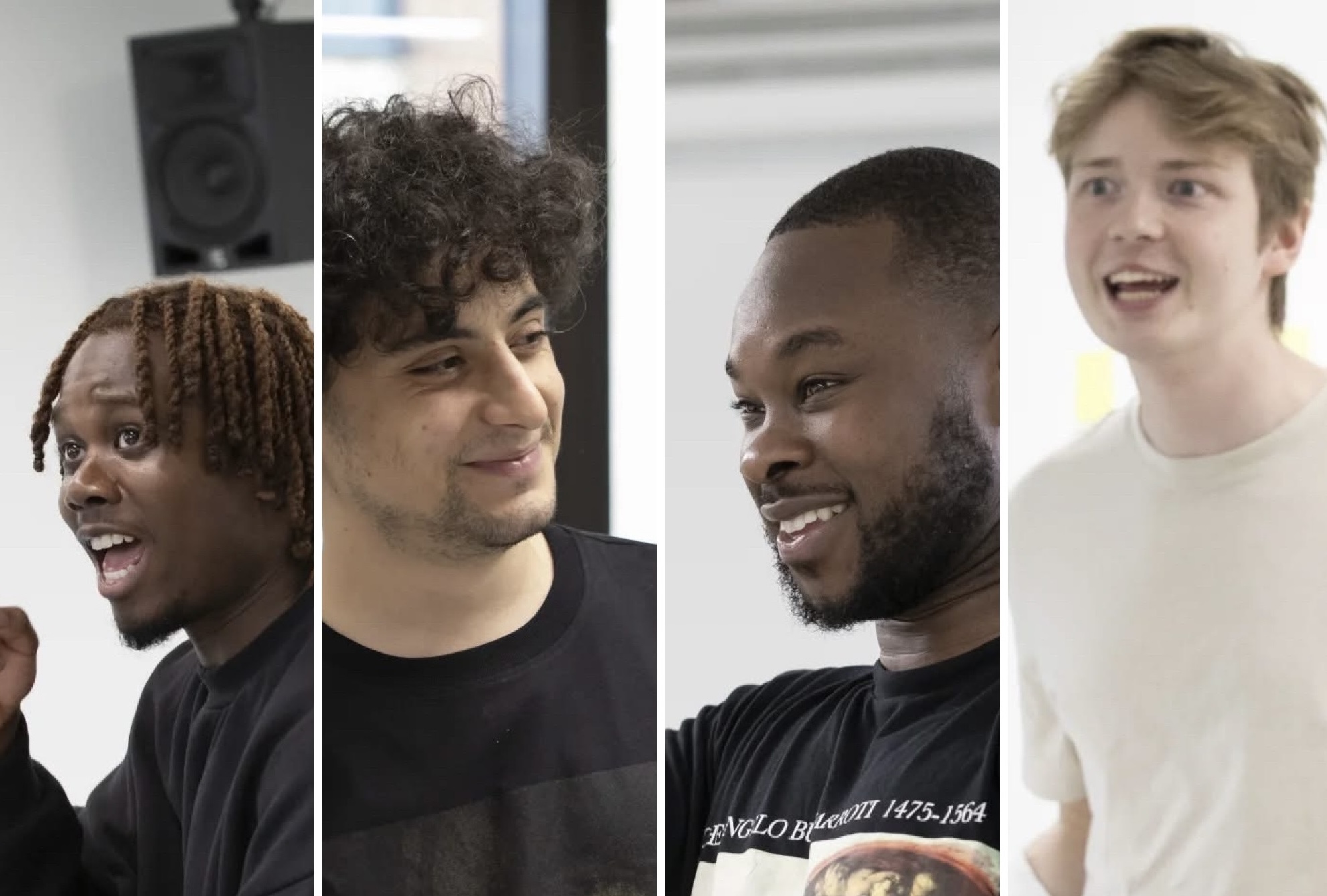
The pivot to Joshua-Alexander Williams’ Devonte as the most impacted of the quartet demonstrates how easily any of the boys could have become the “main” character. Keeping the narrative on track means that Joe Deighton, as Paul, has a comparatively less dynamic role, but late-scene revelations allow Deighton to more than hold his own, and remind us how complex lives can be beyond what we see on the surface. Adam Seridji’s Salim, a jokester with a good heart, insists that Paul didn’t have to keep his own struggles from his friends, met with a blunt, “Well I did.” Well-acted and easy to relate to, any of these youngsters could have been the most impacted figure, but the need to give Devonte more presence does, from an audience standpoint, leave Paul in particular feeling less well-defined.
Where One Way Out most thrives is the cast’s bantering dynamic, each actor bouncing off of whichever cast-mate they’re sharing the stage with. As well as helping land Douglas’ array of well-aimed jokes and jabs, this authentic chemistry helps to deepen moments of genuine anger or upset between the boys, with an eventual blow-up between Devonte and Tunde both painfully believable, and beautifully performed. Each member of this small cast has moments where they can truly shine, but it does feel only right that Devonte gets the strongest showing, courtesy of Williams’ nuanced, authentically-adolescent performance.
Williams nicely played off a handful of stumbled lines on press night, deep enough into his character that they could be played off as Devonte himself tripping over words. If anything, it made sense that Devonte would be trying to say two lines at once, cutting himself off in his building frustration. The rest of his cast-mates acquitted themselves nicely to their roles, bringing depth and humanity even where the needs of the story gave Paul and Salim less to do – far from a genuine flaw, their own challenges falling into the background felt authentic to a group where one friend’s situation seems infinitely more pressing. Still, any time an actor was given the spotlight, they had nuanced and clear understanding of their characters, enough for them to seem totally real despite the limited backstories shared.
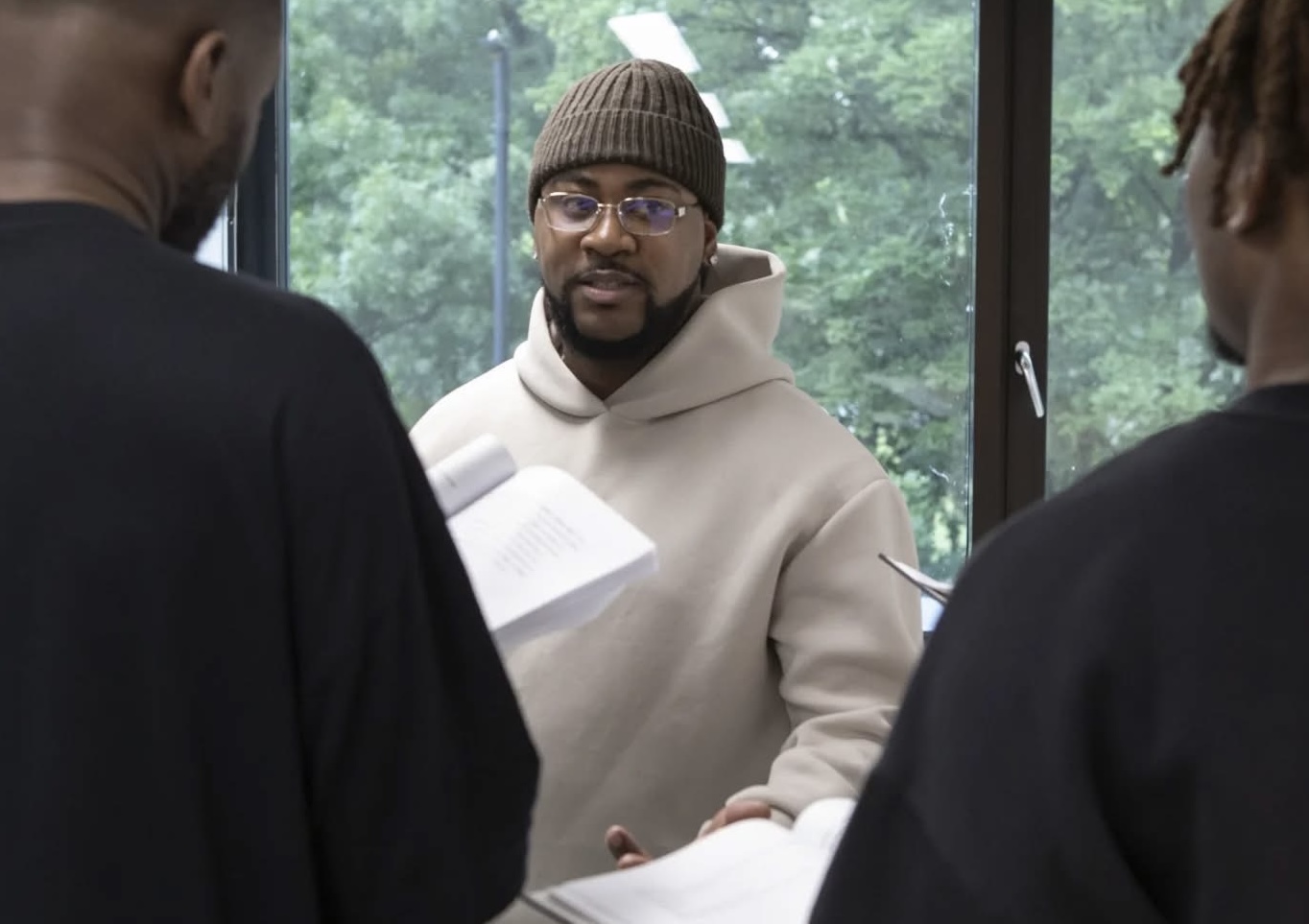
With his work placed in Studio 2 at Brixton House, Montel Douglas doesn’t have the biggest scope for visual flair in his direction, but uses what he has to great impact. He and assistant director Emily Olum seem acutely aware of how essential the performers are with so little staging to speak of, and just how close the audience are to the actors. This results in a sense of genuine intimacy which is reflected in Douglas’ script – lines are thrown to viewers up front, and anything addressed to the local youth club at large is clearly said to us all. Positioning the other actors in the walkways and with the assistance of some striking lighting changes from Jahmiko Marshall, sequences where Devonte is interviewed (interrogated?) by immigration officials feel at once more closed in, and still less intimate.
Even running at less than 90 minutes, I must admit that the opening scene was, for me, a touch too drawn out. That’s not to say I didn’t enjoy every second, and believe me I was completely engaged, but the initial tone suggests almost a slice-of-life approach to the boys’ final summer as the kids they once were, which proves not to be the case. Douglas is a strong enough writer and a natural enough director to keep a scene interesting regardless of any excess length, but I wouldn’t have minded learning a little bit less about the backdrop up front and leaving more to the imagination – a powerful speech about the youth club manager so firmly clarifies his impact that the exposition about him earlier on feels unnecessary, as much as it does allow for a few more laddish jokes.
On hand to set the appropriate moods is composer/sound designer Francesca Amewudah-Rivers, helping move along the drama and really selling the big party thrown for Tunde’s 18th birthday. The dance moves on show there are our first glimpse at the strong moments of physical theatre Douglas, Olum and the cast have come together to shape. Later on, Williams is all but literally tossed around the stage to indicate how adrift he feels and how harsh reality is proving to be. While the other actors filling in for the immigration scenes is partly necessity, it being them shoving Devonte to and fro genuinely bolsters the impact – even his closest friends, the found family who have anchored him to this country, can only serve to further disorient and dismiss him.
Authentic in its portrayals of heavy, seemingly ever-prevalent realities, One Way Out‘s production team employed not only a dramaturg (David Gilbert) for the theatrical elements, but also Sikisa Bostwick Barnes as a legal consultant. When writing about events so real to so many, this push for genuine understanding and accurate representation is wonderful to see, and seeing Barnes listed helped highlight to me just how likely a story like Devonte’s is.
Rating and final thoughts
⭐️⭐️⭐️⭐️
Nuanced. Authentic. Important.
Slightly slow to get going but thoroughly engaging, One Way Out refuses to pull its punches and won’t coddle audiences with the idea that everything will be okay if you just hope for the best. It’s gritty in places, enjoyably goofy in others, and a great showcase for Douglas’ work and for Joshua Alexander Williams’ well-honed performance. Even where it could be tightened in places, there’s a real joy in spending an evening with this group of friends, and what small imperfections there are to be picked at are easily outweighed by the talent on show.



 Sam Waite - Writer & Reviewer
Leave a comment