Spoiler re: the titular question – if that artist is still alive and profiting from the art, it’s a no from me.
In 2001 some real classics came into cinemas. Legally Blonde showed us all that being true to yourself never goes out of style, Pokémon 4ever taught kids that some friendships transcend time, and Save The Last Dance gave us that dance routine. But while the goths were first discovering Donnie Darko and the most annoying person you know (hi, it’s me!) was gifted Moulin Rouge!, my generation were introduced to the franchise that would become central to our personalities for years to come. Yes, the one with the wizards, and no, I won’t pretend I wasn’t as hooked as anyone else.
Perhaps that’s why, in 2020, when beloved author J. K. Rowling first made questionable posts regarding gender identity and womanhood, it was difficult for many to detach from their love of the Potter franchise. After all, this was the series which many readers and viewers credit with helping shape and define their political beliefs, and in which they found powerful allegories between the malignment of certain characters and creatures within the wizarding world and the ongoing discrimination in our own. Hell, I’m far from alone in having become a fan of reading, and of finding my love of writing, thanks to those books. Then the Tweets became progressively more direct, notably more pointed, and undeniably more against the transgender community.
With the recent decision on the author’s part to publicly declare that profits she receives for her work will benefit what many have called an anti-trans organisation, I’ve seen more and more discussion around how to ethically consume Harry Potter and its extended universe. Frankly, with no intention to upset but an openness to how needed such upset may be, I don’t think that you can. Even already-owned books and DVDs present the risk her work becoming part of your daily lexicon, and attention being drawn back to Potter for others. I suppose you could keep it to yourself as a dirty little secret, but surely something you can never speak about with others is something best to disregard entirely?
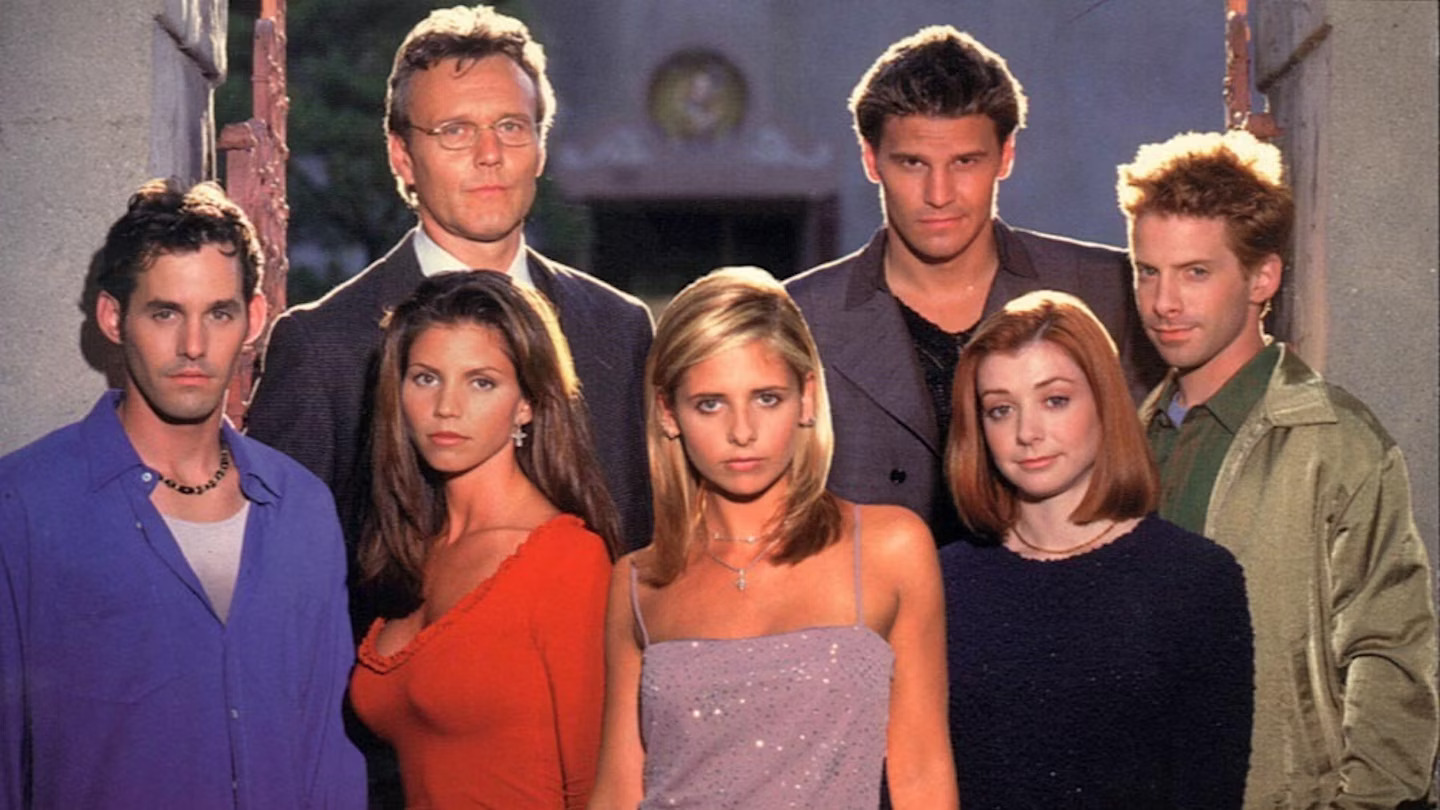
Rowling, of course, is far from the only creative whose behaviour outside of, and in many cases within, their work has soured the opinions of once-devoted fans. Joss Whedon, the writer-director whose contributions include work on both Marvel and DC properties, has received kudos for his organic writing of teenage protagonists with Buffy the Vampire Slayer‘s female characters noted for their nuanced stories. The late Michelle Trachtenberg, addressing her time on the series, make public and seemingly non-refuted claims that at least one incident on set led to Whedon no longer being allowed to be alone with the actor, who was still a teenager at the time. Beginning in the summer of 2020, Ray Fisher called Whedon’s conduct on the Justice League set, among other things, “abusive” and “completely unacceptable,” seemingly backed up by co-star Jason Momoa’s supportive comments about “the shitty way we were treated,” and by Fisher’s open invitation for Whedon to initiate legal action for slander if he deemed his story to be false.
My discovery of the multiple statements against Whedon, including further statements from Buffy cast members regarding toxicity and abuse of power on the sets of both Buffy and its spin-off, Angel, came during a years-in-the-making rewatch of the classic series. That viewing of the series, my first from start to finish, is thus far my last thanks to the nagging question that has encapsulated my relationship with two childhood favourites in recent years – Can I keep watching this knowing what the creator has done? As I went down the rabbit hole of Charisma Carpenter’s statement, Amber Benson’s confirmations, and f the specifics of Ray Fisher’s story, I realised this show I loved would likely always be tainted.
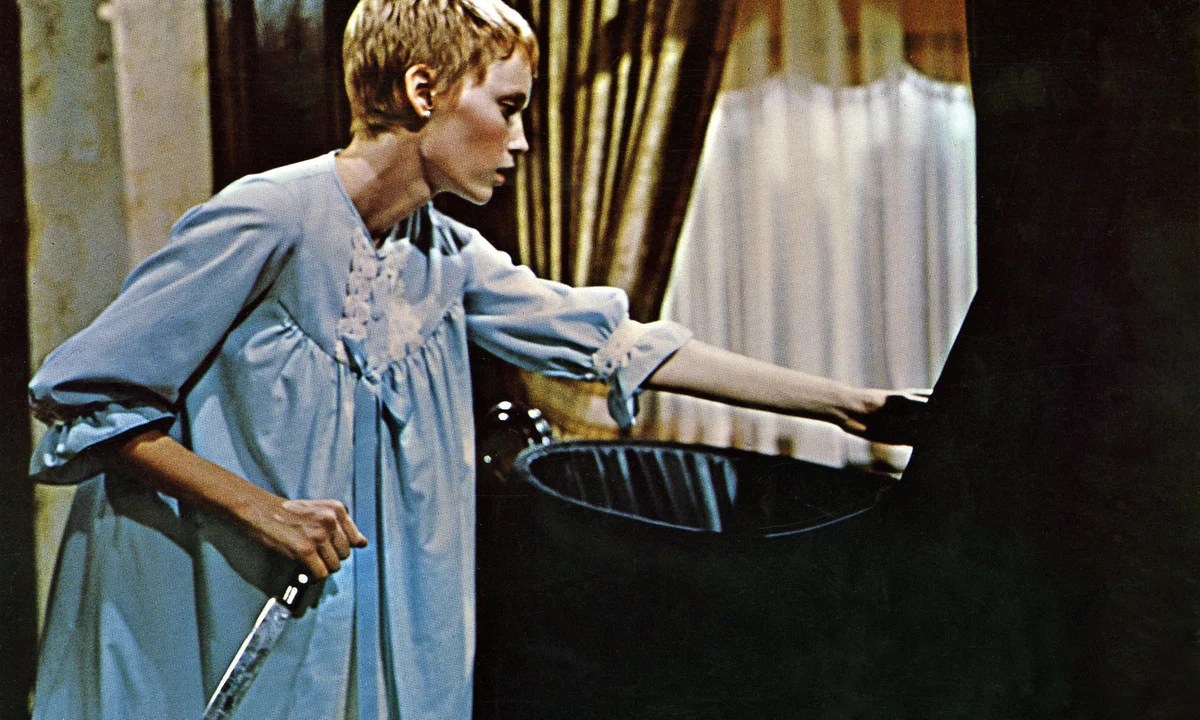
The longer I spend away from Buffy as a viewer, the more I realise that the arm’s length I’ve put the series at may be the closest I will ever bring myself to it again. I’m certainly not against dismissing a creator’s canon over their real-world behaviour – just the other day I hovered over Rosemary’s Baby and said, “Nope. Definitely not, at least until he’s dead,” because while I truly believe I would love the film, I’ve sworn off of anything Roman Polanski created. Likewise, my opinion on a longstanding public debate means that a film made by Woody Allen would meet instant rejection. Perhaps, given these years-long refusals, it’s not surprising that in the years since that first fateful Tweet, I’ve stopped engaging with the world J. K. Rowling created. At first it was a lingering sense of discomfort, but as her presence in these debates has grown, so too has my disinterest in her work.
Of course there are many out there preaching the virtues of “separating the art from the artist,” and sharing the conceptual “death of the author.” The problem is that neither of these ideas really applies in this case – the idea of separating an artist’s work from their real life personality and opinions is one created for academic and intellectual discussion, concerned with analysing what comes across in a text rather than what was intended. Roland Barthes’ The Death of the Author concerned itself with the author’s intentions being removed from the final outcome, not the harm an author inflicts being disregarded when engaging with their work.

Strong a word though it may be, perhaps it’s the Death of it all that we should focus on – or, rather, the fact that it has yet to come about. If your engagement with someone’s work profits them, it’s difficult to believe that you’ve made a true separation, that you’re engaging as a fan of what has been created and don’t support the creator. After all, this person who you claim not to agree with, who you say you aren’t throwing any support behind, has gained another chunk of money and another boost to the charts and algorithms that keep them on top of the world. Actor John Lithgow, no stranger to problematic authors after a second run in Giant, playing Roald Dahl at the time he was met with allegations of antisemitism, frustrated many when claiming that Rowling’s views didn’t impact his taking the role as Dumbledore in HBO’s Potter reboot. “No one complained when I agreed to play Dahl,” he reasoned, “Isn’t that odd?”
If you were to ask me the difference, and I’m well aware that no one has, it comes back to that fateful word, Death. Roald Dahl is no longer alive, the family who benefit from his work have apologised publicly for his antisemitism, and it’s worth acknowledging that Dahl is simply a character of Giant rather than a creator behind the scenes. J. K. Rowling is very much alive, obviously stands to profit from a major series of her licensed work, and furthermore she herself is on board as an executive producer. The difference is that this particular author will still greatly benefit from Mr Lithgow’s work, and that she has confirmed which side of an ongoing battle she will throw these new profits behind.
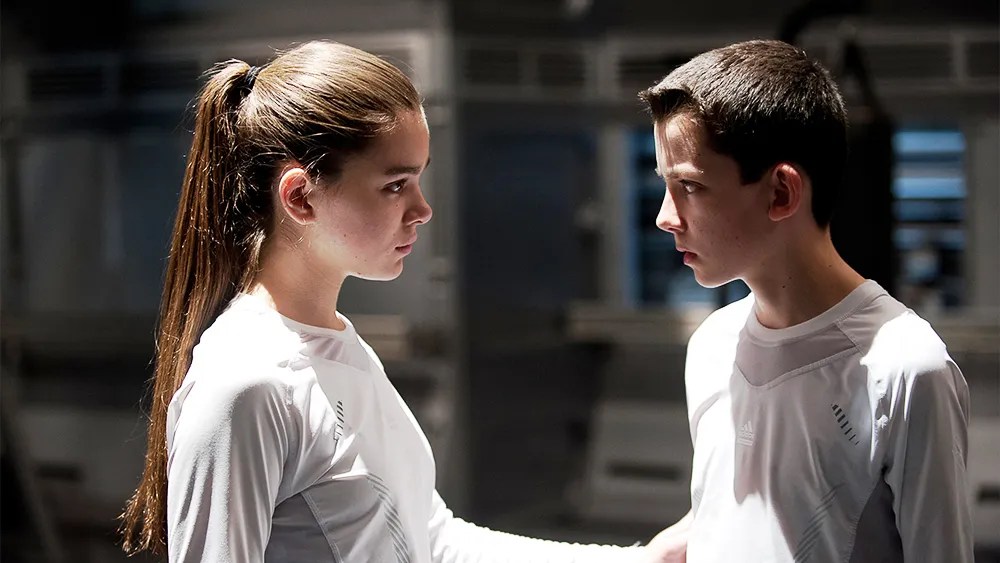
All this to say, I truly believe separating the art from the artist is an impossibility while the artist is still among us, both in terms of their profiting from the work and their own prejudices bleeding into the text. Calls to boycott the Ender’s Game adaptation over Orson Scott Card’s homophobic statements were, seemingly, part of why Lionsgate pulled away from a potential franchise, while other works from the author draw on homophobic stereotypes for their narratives. With countless essays and videos over the past half-decade accusing Rowling’s characters and creatures of encapsulating racist, antisemitic, and homophobic tropes, does it speak mostly to the power of nostalgia that Warner Bros haven’t taken the same steps away from The Wizarding World?
To return, at last, to that initial question… I’ll let every individual decide for themselves where to draw the line. I don’t think you can separate an artist from their work, and actually I don’t believe that you should. Detaching things we love from the people who make them allows us to feel more comfortable, but only because we are alleviating ourselves of the guilt that comes with supporting a person whose views we are against. But those bank deposits, those chart positions, those FYP pushes, don’t come with a handy little box where you can explain you’re reasoning – to the algorithms, to the artists, and maybe even to the world as a whole, support is simply support.

 Sam Waite - Writer & Reviewer
Leave a comment