What’s the story?
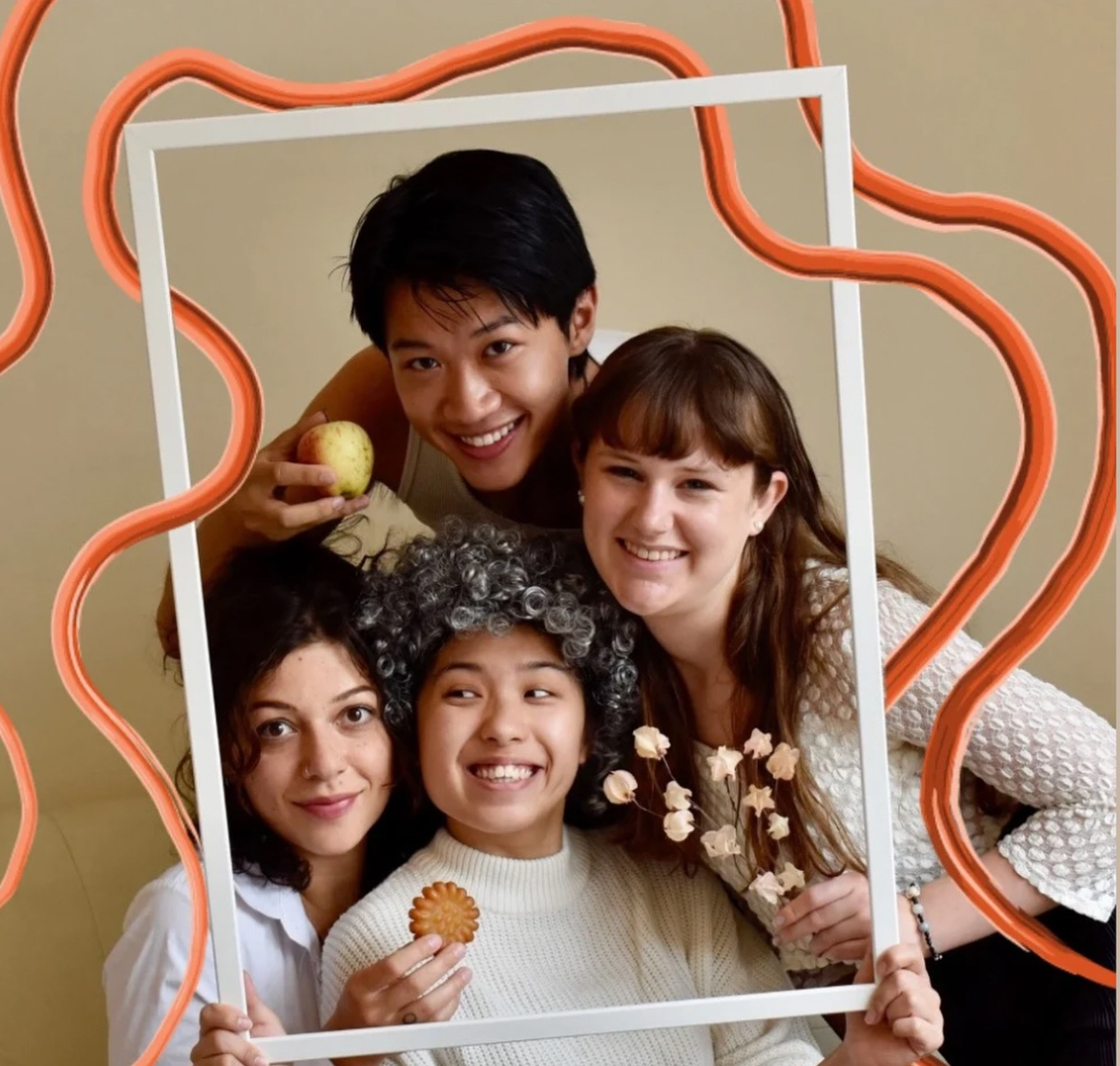
Drawing on artistic director Sarah Hyojin Kim’s experience at her grandmother’s deathbed, this devised piece follows four cousins on the anniversary of their mutual grandmother’s passing. Through traditional Korean rituals (chiefly Jesa, in which offerings of the deceased’s favourite foods are gathered before their portrait, and their spirits are believed to watch from just beyond view) the group aim to celebrate her life and mourn her passing as a group.
Where did it play?
Unfinished Business played for two nights only as part of the Voila Festival, at the Barons Court Theatre.
For future productions and to see the company’s other projects, follow Peculiar Matter on Instagram
This review was written at the request of Sarah Hyojin Kim, who was kind enough to invite me to attend.

Spoiler-Free Review
Unfinished Business opens with Sarah Hyojin Kim, who welcomes us to the ritual and thanks us for taking part in honouring her grandmother’s legacy. Leaving the stage, she is replaced by the ensemble of performers who co-created the piece, and who feature as the four grandchildren who have reunited and must reckon with their own unique versions of grief. Bitterness escalates, old grudges rise to the surface, and the quartet soon worry that their squabbles have caused their grandmother’s spirit to leave her celebration entirely.
A devised show working around a theme rather than a singular narrative, each of the four is given a moment to shine, but the blend of movement and videography ensures that this remains the deceased’s story. She is at the centre of every line, every moment, and childhood videos collated by Michael Mui cement this further with touching moments in which we watch these memories alongside the characters.

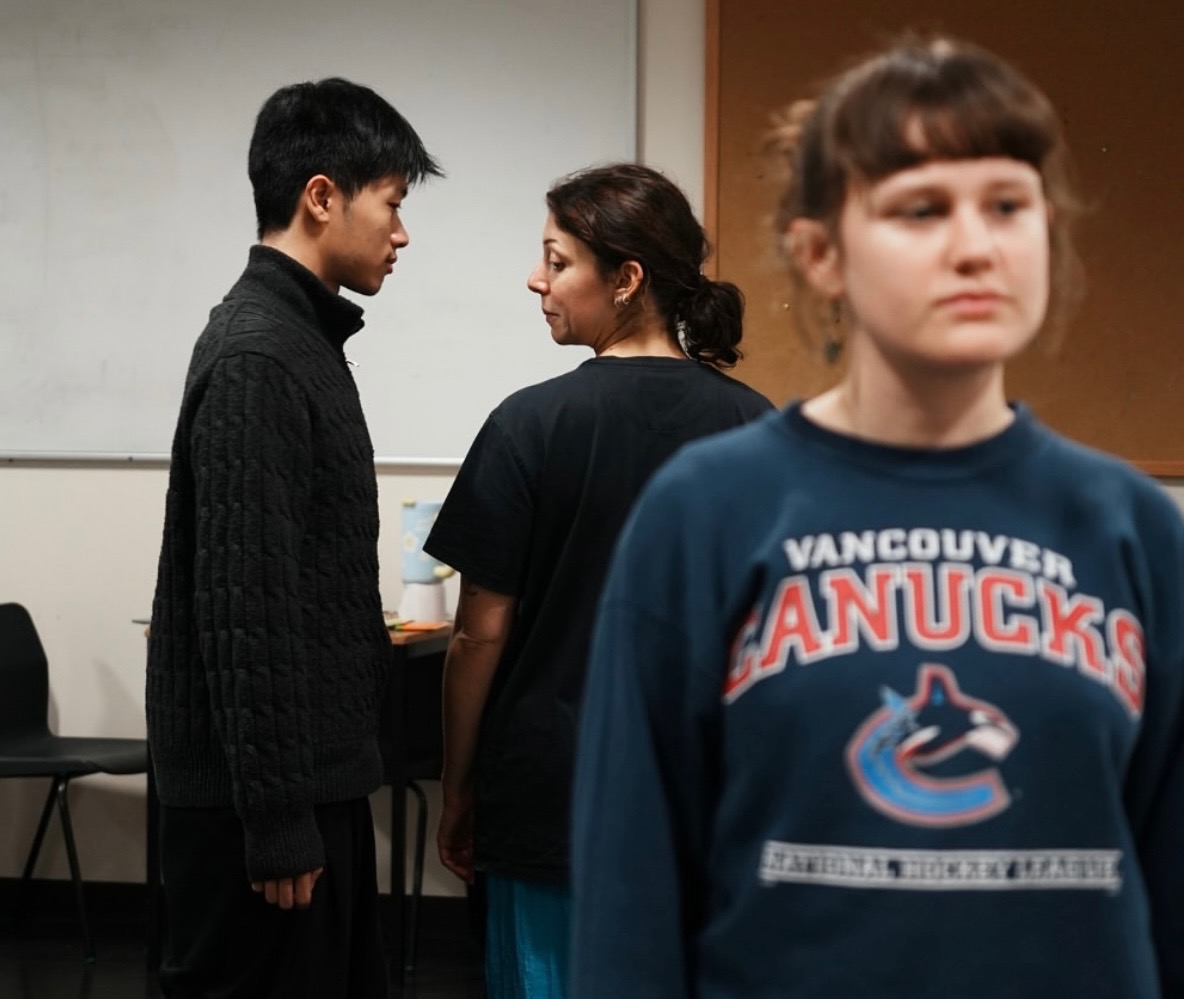
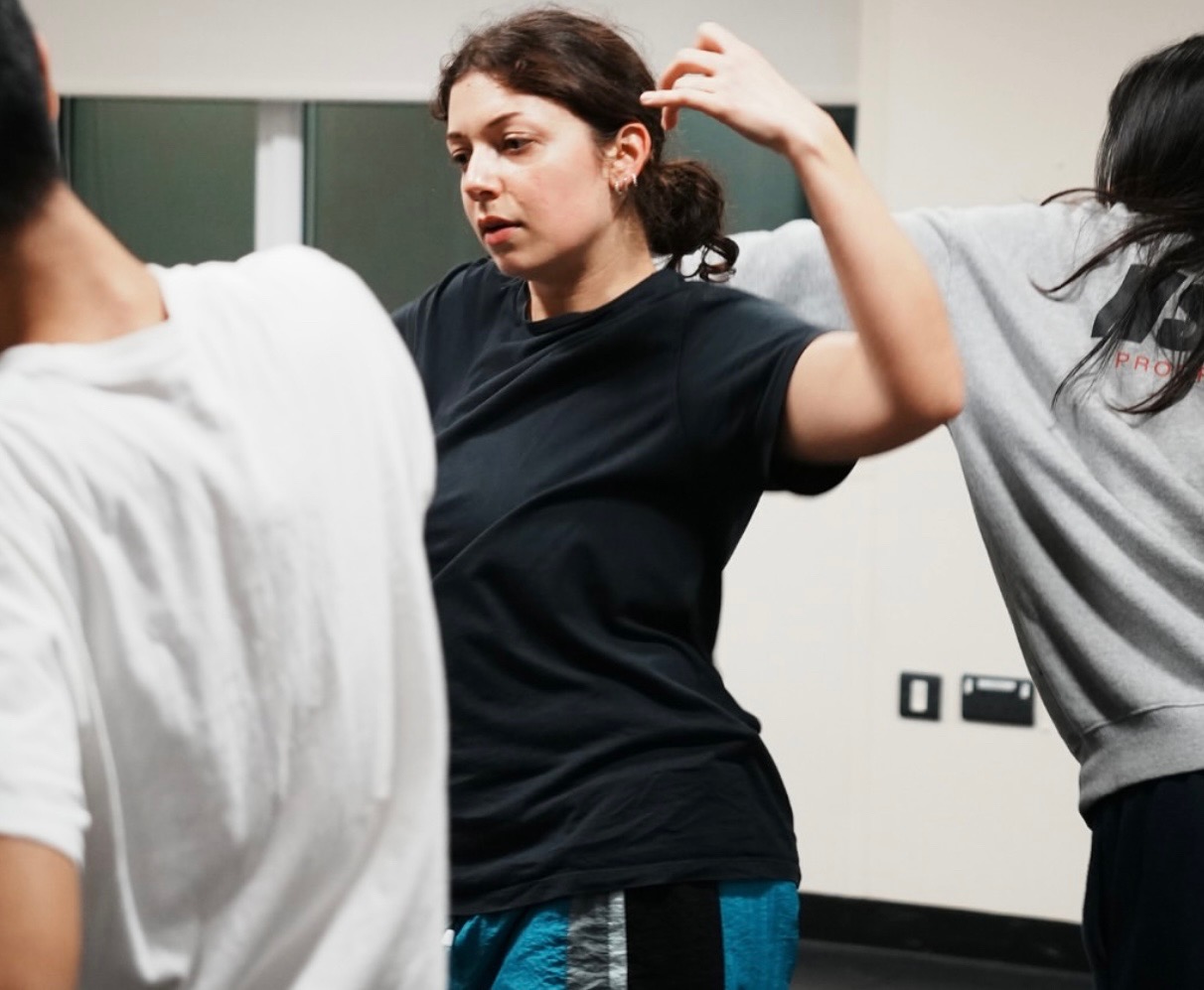
With the help of Ashlyn Gibson, credited as the production’s death doula and transpersonal coach, Sarah Hyojin Kim has done a fine job as director, keeping the disparate stories of each grandchild in tandem without allowing us to forget the reason each is there. Under her guidance, the quartet of performers reshape the Jesa set-up into new visual tableaus, and each actor interacts with the others in deeply human, believable ways which demonstrate their past frustrations working alongside their ongoing grief to create new dynamics in real time.
All four of these actors excels in their own moments, finding quiet dignity to their characters’ own suffering while enhancing one another’s work. A moment of contention between two cousins allows for Tiffany Yeung to bring her character, Susan, to a somber monologue in which she reckons with her feeling a lack of closeness to her grandmother, despite her having been so physically present in her life. Elsewhere, Flora (Lottie Dunkley) and Aro (Theo Ambrosini) work through their own complicated emotions beautifully – one regretting distance, the other a final outburst of cruelty at close range.
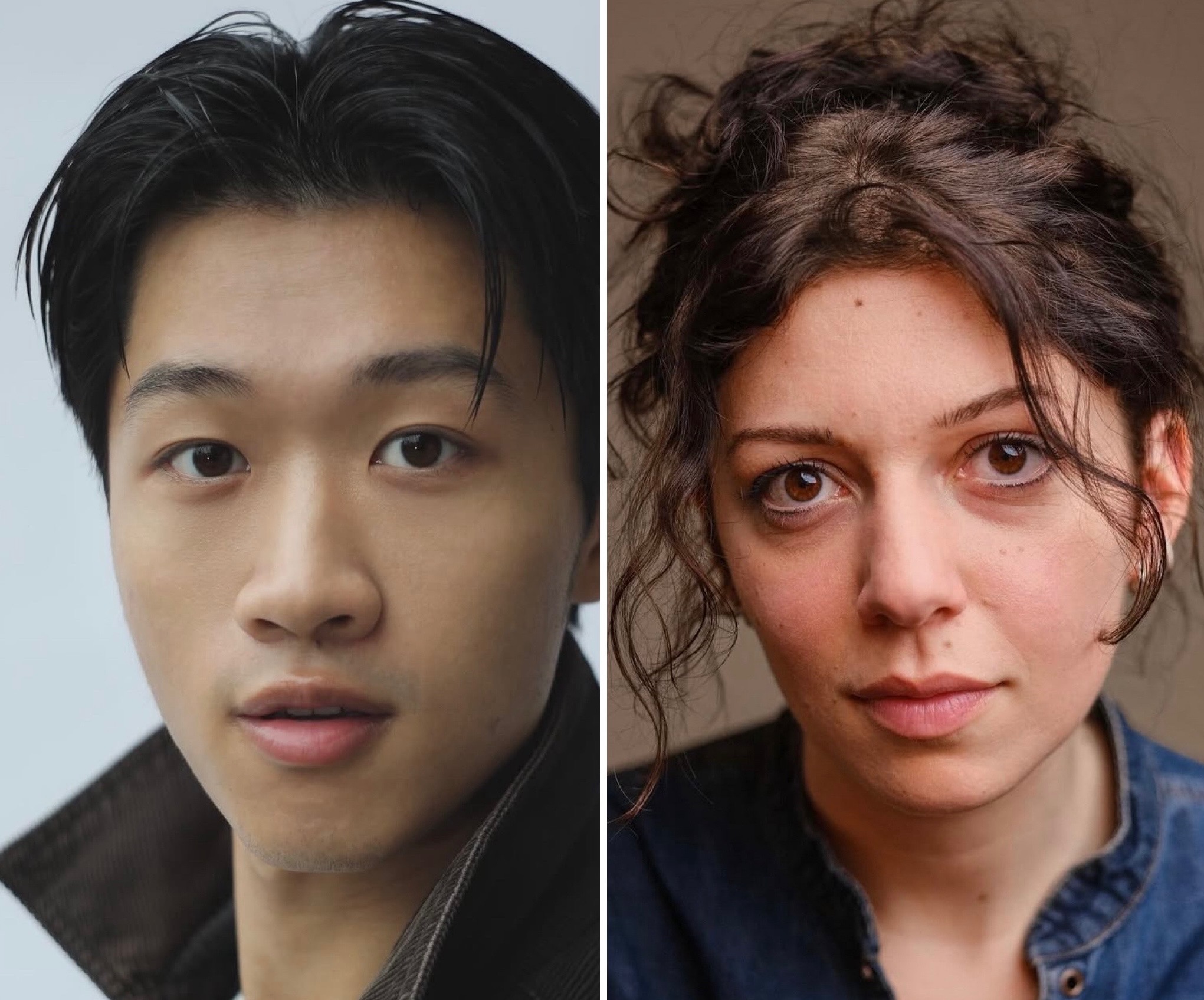
Rounding out the company, except for the director’s own brief appearances, Jerry Faderer has an early line that stuck with me throughout the short performance, his character Taeho asking if it’s okay to be okay. His seemingly happy-go-lucky nature, a comparative immaturity that rankles at least one of the others, gives way to a powerful moment in which he masterfully portrays the balance between moving on and forever looking back. The show, of course, doesn’t allow for a standout performer, and this is precisely the way it should be – no one is the star, everyone is there to share in an experience.
It would be dishonest to say that the evening was totally faultless, that the trappings of fringe theatre aren’t there, and that the QR codes seeking crowd-funding for the project are without cause. Still, this is something intimate, something deeply and truly personal, and so it is equally difficult to fault the production, or anyone involved in its production. From the moment the director welcomes us into the space, into her family’s ritual, into her ongoing grief and her celebration of a person’s life, to not be enthusiastically supportive feels impossible.
What’s the verdict?
Moving. Significant. Affectionate.
As I said above, this is an intimate production, one more akin to being welcomed as part of an extended family than attending a work of theatre. The actors are all strong, their movement work clear in purpose and engaging in delivery, and their collective work in devising the piece is certainly to be commended.
Given the nature of the show, and the intentions behind its creation, you’ll forgive me for forgoing the usual star rating. To throw top marks at Unfinished Business for its intentions would feel calculated and dishonest… but to give it anything less would feel like too personal an insult, and a discredit to the fine work done across the board.
Sufficed to say, this is beautiful, unique, deeply intentional work, and something I’m honoured to have been invited into.


 Sam Waite - Writer & Reviewer
Leave a comment