What’s the story?
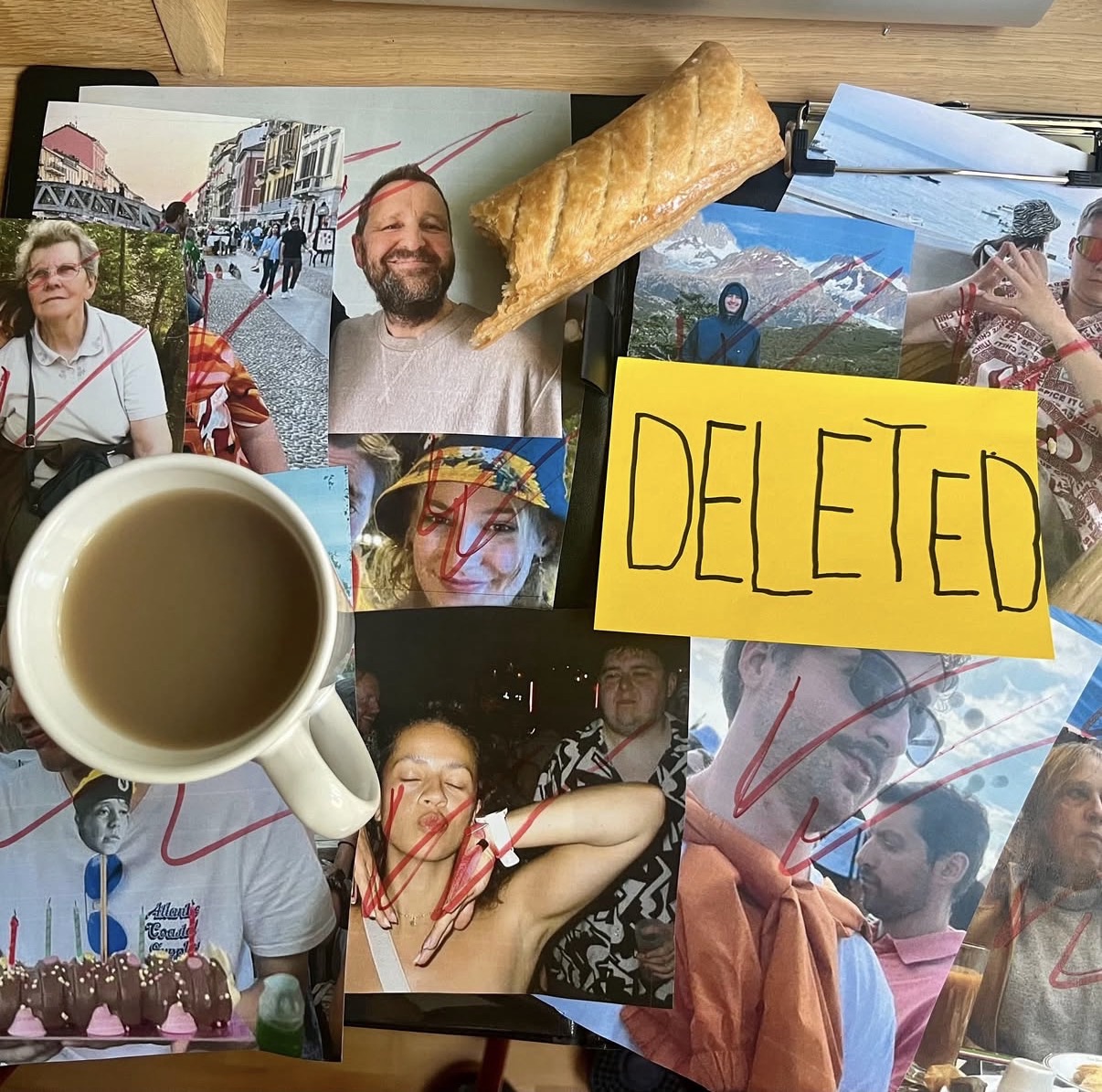
The working week is finally coming to an end and the Deletion Implementations team are relieved that a long few days are over… until they aren’t. At the Department of Reality, the work is of grave importance, and it turns out the team are one short of their quota. To make matters worse, the Assignments crew have been sent home early, meaning that for the first time our ragtag quartet must decide which person will be erased from existence.
Where did it play?
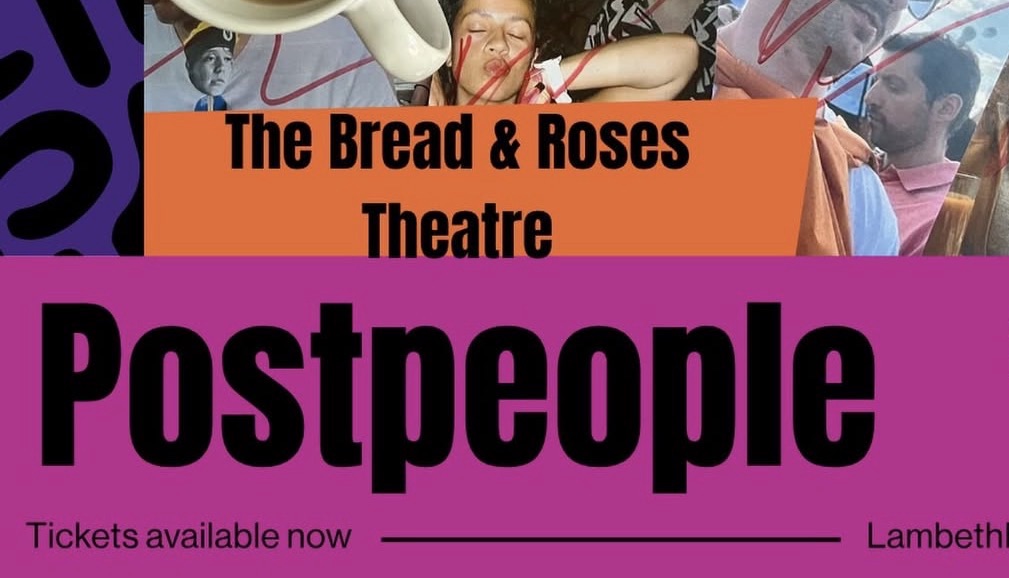
Postpeople played at the Bead & Roses Theatre from September 27th to September 29th 2026, as part of the Lambeth Fringe.
For information on future performance follow the show’s Instagram account.

Spoiler-Free Thoughts
With one major, three-and-a-half hour production closing right as another begins a West End run, one of the many joys of fringe theatre is the reminder that complete and investing stories can be told in far less time. While these epics certainly hold their own, there’s something truly impressive about writer-director Arthur Davies’ ability to run an emotional gamut in only thirty minutes. Postpeople stands mostly as a single, realtime scene, and is far more powerful for the lack of interruptions.
Of the four cast members, two could be argued to fall more into supporting roles, especially as the floor gradually cedes to the two women of the office. Flirtatious layabout Lewis and family-minded Adam are played well by Antonio Victorio and Dexter Cozens respectively. The two men’s roles are given less room to truly breathe, but each introduces new ideas to the overarching moral debate and commits strongly to their character. Adam is easy to become frustrated with as his arguments centring on family become one-note, a deliberate touch from Davies and a well-performed quality from Cozens, while Victorio is very convincing as the always-halfway-to-the-pub colleague we all recognise.

Davies’ script does a fine job in applying commonplace office drama to a surreal environment, an office in which paperwork is completed once the workers have informed strangers of their imminent deletion from the universe. Wisely, he keeps the details of how the Department of Reality runs minimal and familiar to companies the audience is more familiar with, allowing us to focus on the specifics of these characters’ specific situation. As such, the classic workplace banter is there, with the relationships feeling nicely lived in, and the necessary exposition not being overbearing.
As Jo, clearly either in charge or the most dependable in the office, Pippa Hoyle manages a delicate blend of snootiness and charm, neither too dedicated to the work nor too flighty about her duties. Youthful looks work well for her here, adding to the gravitas she places behind a late-show monologue about her desperation to get ahead. Hoyle coming across as so young blends beautifully with her powerful performance, telling us more than words ever could about how put-upon and desperate Jo feels.

Arguably the protagonist of the piece, Rivkah Bunker is wonderful in the role of Clare. The newest member of the team, Clare is soon to carry out her first Deletion, and has been carefully studying the others as they go through the process. Observing every bit as much as the audience are, she quickly becomes our point of entry into the world of Postpeople, and Bunker handles the building transition from an ordinary life to one of secrecy and challenging decisions. Having the most direct interactions with each of her colleagues and eventually left onstage alone, Clare’s emotional range is inherently the most broad, and Bunker navigates this with undeniable skill.
Davies’ direction maintains the same sense of the typical blending into the extraordinary that exists in his text. With a quick turnaround needed for the Lambeth Fringe, the stage is simple and largely open, but he ensures that his cast inhabit the space fully and suggest a cluttered office space. Postpeople is certainly in need of expansion, and a few of its moral arguments need more time to breathe, but in this current half-hour format that can’t be placed on anyone involved. Indeed, it makes me eager to see what could be next for Davies’ play, and whether a longer version may soon exist.

Final Thoughts
Frank. Thoughtful. Familiar.
⭐️ ⭐️ ⭐️ ⭐️
Postpeople is a great example of how a unique, even supernatural idea can be filtered through what is familiar and deeply human. Anchored by four strong performers, and particularly by Rivkah Bunker as Clare, the world of the Deletion Implementations team comes alive before our eyes and the emotional heft of living adjacent to such responsibility becomes ever-more clear. This play shows not only the strength already present in Arthur Davies’ work, but the ever stronger things that could be still to come.




Leave a comment