What’s the story?
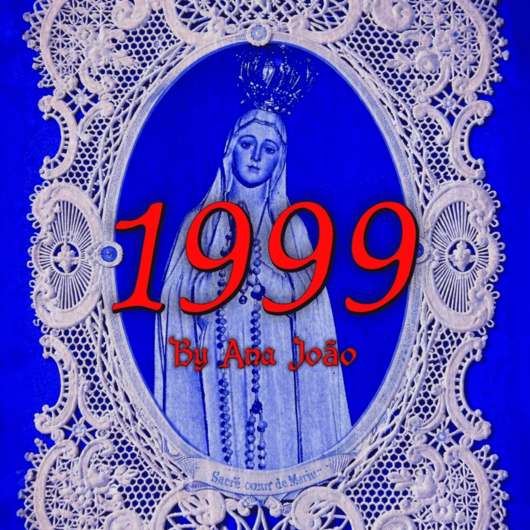
A family drama focused solely on three women whose male partners are talked about but never seen, 1999 takes place in that very year, as a scorching hot summer sets over Portugal. Maria has welcomed her daughter-in-law into her home while her son settles into a new career overseas, offering her a kindness that she seems unable or unwilling to extend to her own daughter, or the unseen grandchild whose illness keeps them bound to the same home.
Where did it play?
1999 played on March 25th and March 30th 2026 at Etcetera Theatre, Camden.
For more information or news on any future productions follow Rat Gurl Productions on Instagram
This review was written of my own volition, having paid to attend.
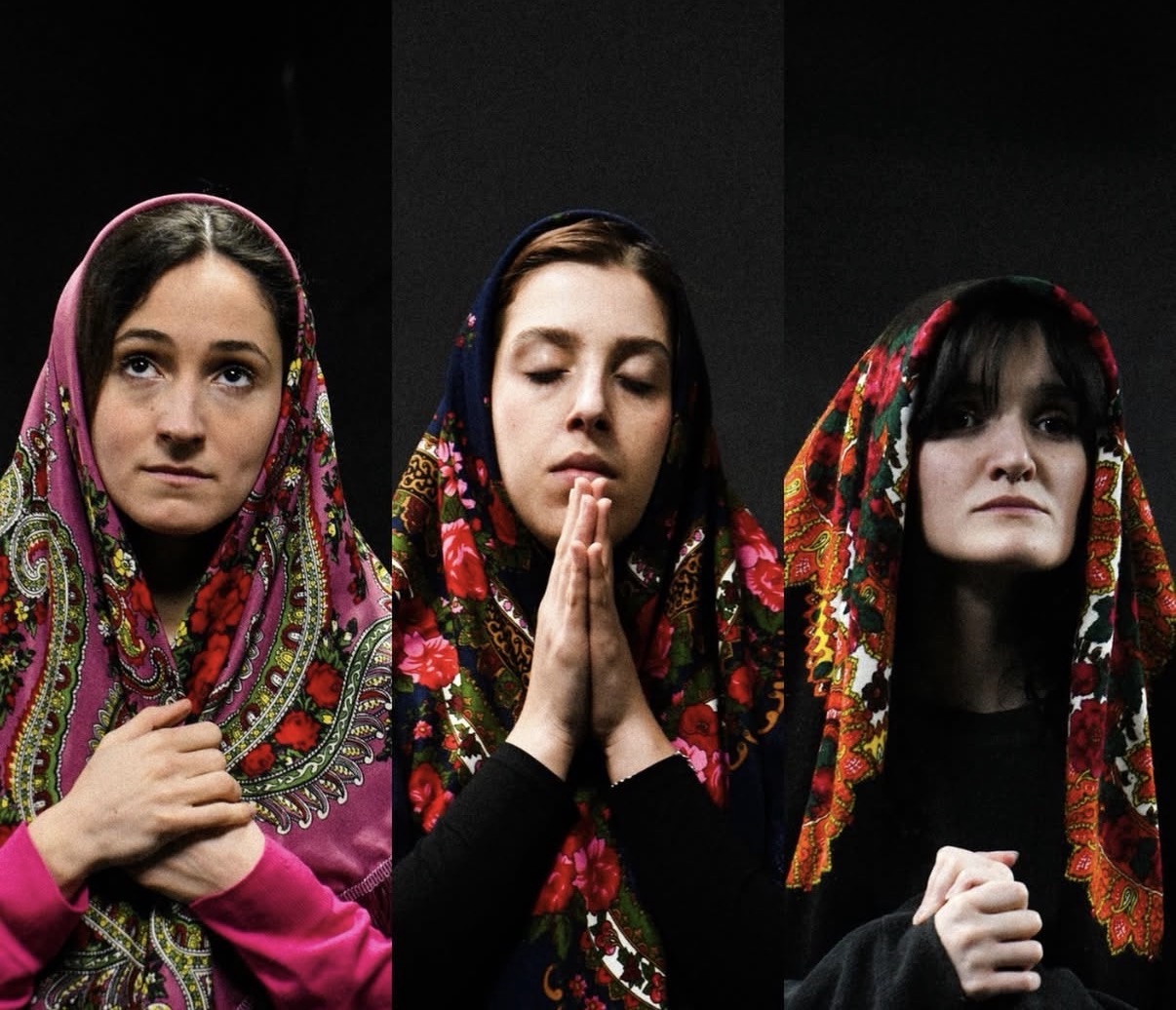
L-R: Christina Parracho, Ana João, Inês Santos Belmonte
Spoiler-Free Thoughts
Written by Ana João, 1999 poses no small task in unpacking generations of familial suffering, the pain of seeing one’s once-powerful homeland become undesirable to its youth, and the overcrowding which impacts struggling families. Thankfully, João proves to be up to the task, allowing her characters to firmly represent complex ideas while also standing strong as genuinely realised, entirely recognisable human beings.
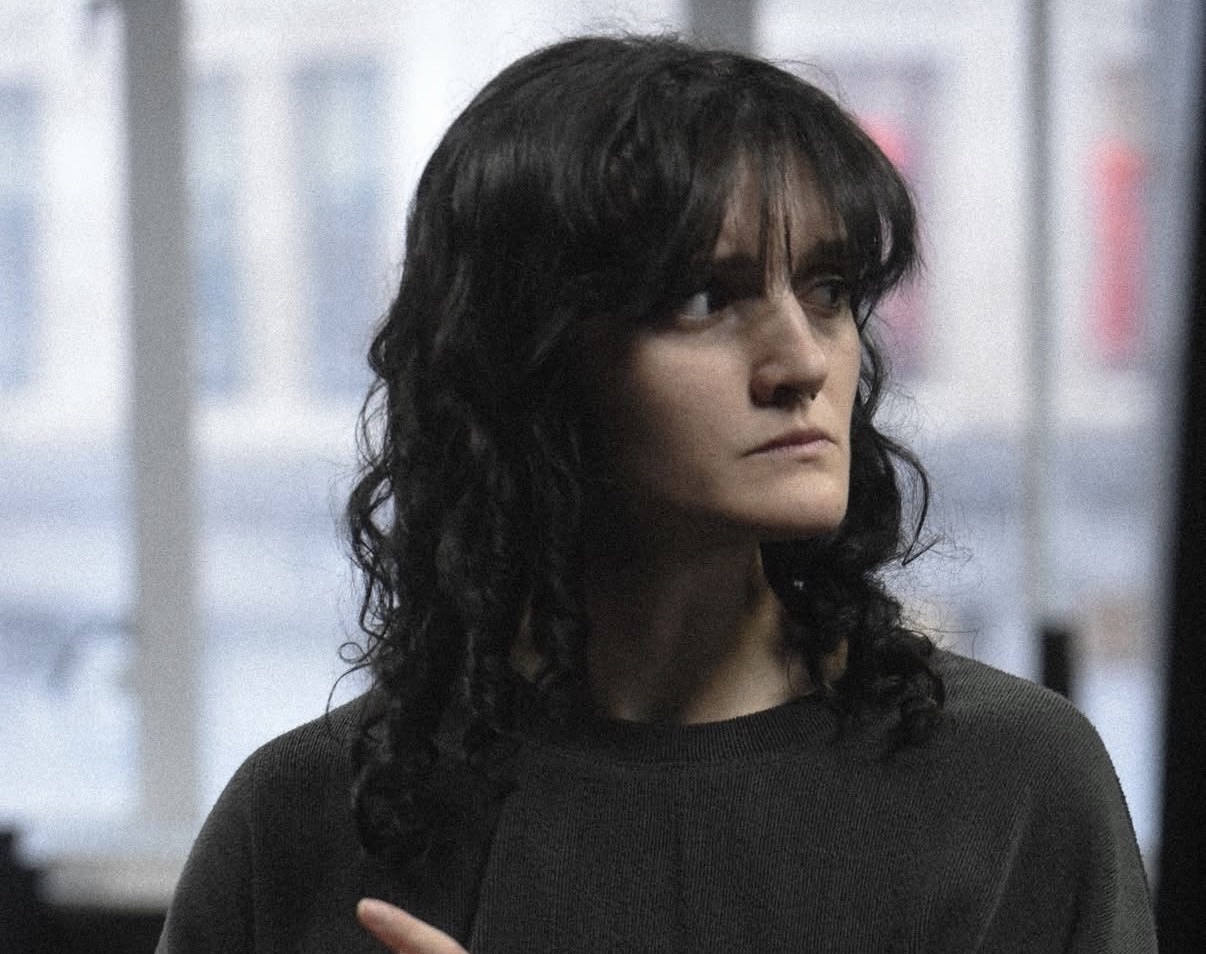
The show begins with Carlota, the young mother-to-be who has been left living with mother-in-law Maria while they wait for her child to be born on Portuguese soil. Cristina Parracho ably navigates a sweetness that seems at first to be naïveté, but is gently pealed back to reveal Carlota as a woman doing what is needed in order to get through this less than ideal circumstance. Carlota could easily become the weak link as Maria’s difficult relationship with her own daughter emerges more fully, but Parracho handles the shift well and makes the most of the material.
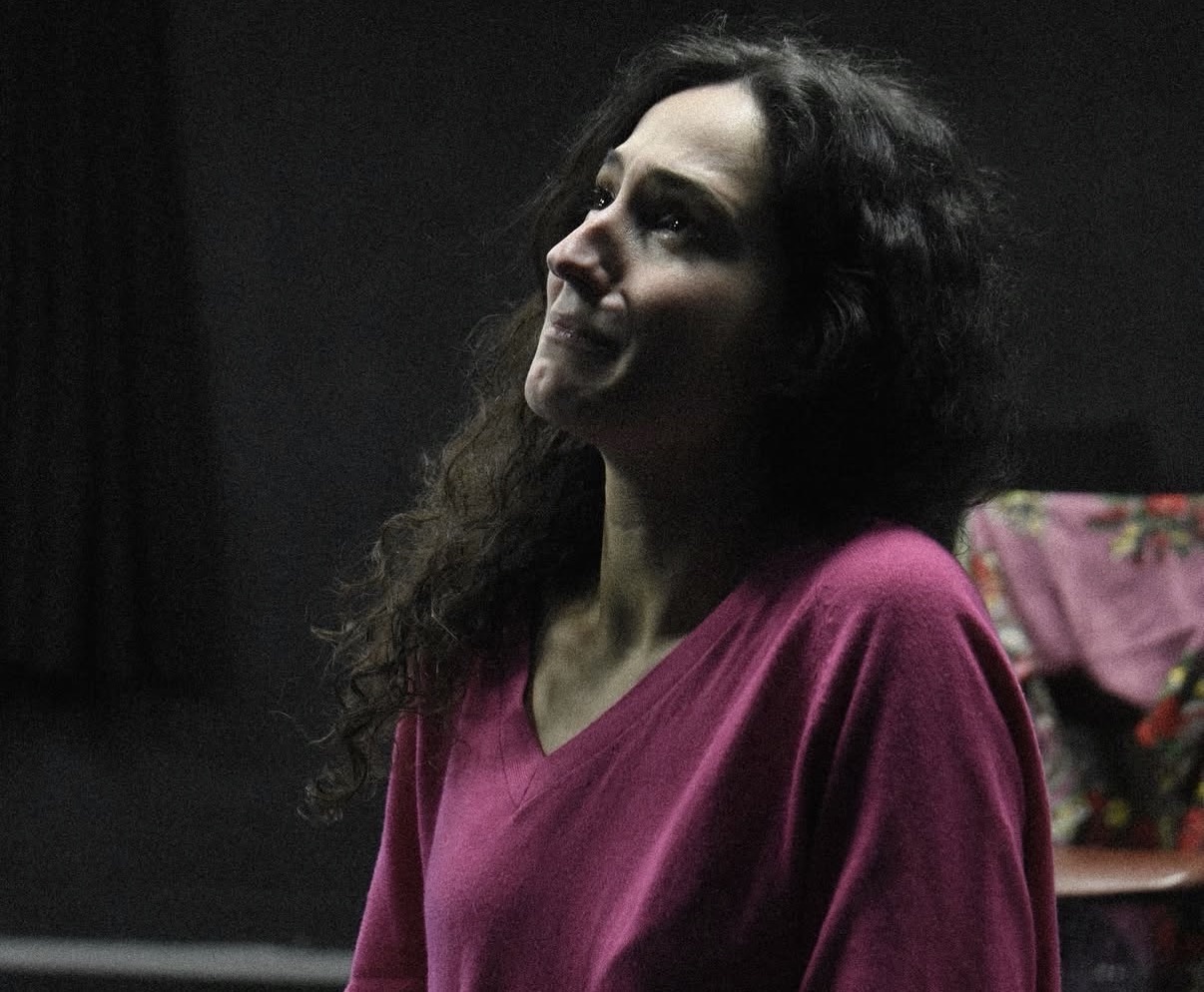
As Maria, Inês Santos Belmonte carries herself with an aged, brutal quality which gives the impression that this barely-middle-aged woman is decades older. Far from a fault in Santos Belmonte’s work, this is a seamless introduction into the way the character clearly views herself – broken-down, past her happiest days, a victim of what has happened around her. Her strong performance is well-matched with writer-performer João, with whom she shares a fiery chemistry which makes the mother-daughter conflict all the more compelling.
Perhaps unsurprisingly, the shows author shows the firmest command of its tone and themes, with João’s performance as put-upon daughter Rafaela beginning strong but subtle, before evolving into something truly stirring. Sharing the aforementioned chemistry with Santos Belmonte, as well as a tender but hesitant onstage connection with Parracho, João progressively emerges as the primary figure of the story, and the passion and deeply-felt sadness she imbues Rafaela with allows this revelation to feel welcome and entirely earned.
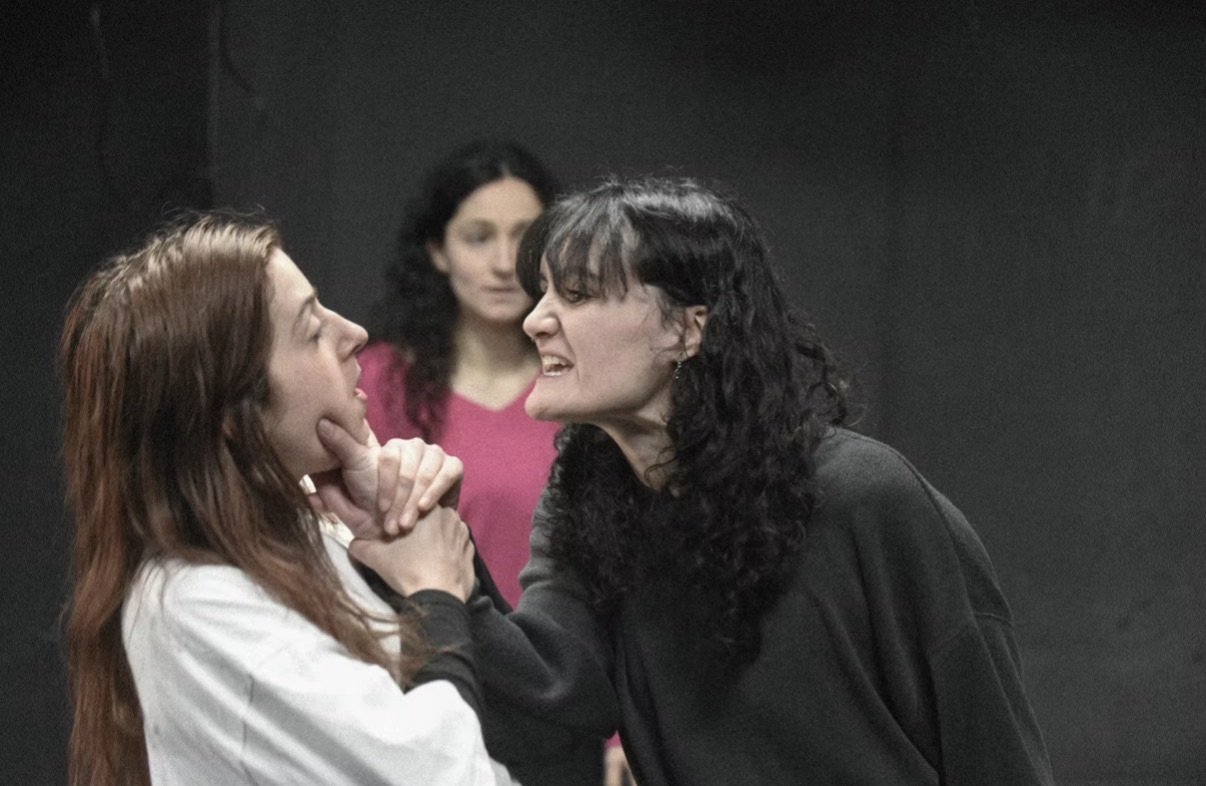
L-R: Ana João, Cristina Parracho (behind), Inês Santos Belmonte
With the action taking place entirely at and around a small kitchen table, director Fiona Munro manoeuvres the three women skilfully, keeping the same claustrophobic quality of the presentation present through the performances and blocking. When Maria flings a fistful of onions at her daughter, it feels not just like a turning point in João’s script, but an inevitability as these three women practically live atop one another, building tensions both emotionally and physically until this release feels almost necessary.
João’s text is the greatest success of the production, Rafaela’s gradual emerging as the central figure feeling almost victorious even as she continues to suffer, and the way Maria’s frustrations with her circumstances come to life feels organic even as it risks info-dumping. Most importantly, it never feels like anything or anyone is missing – the unseen partners and child presumably sleeping down the hall serve their purposes without being seen, and their lack of a physical presence paired with their unending significance to the narrative only serves to deepen the constantly-building frustrations which guide the three women.
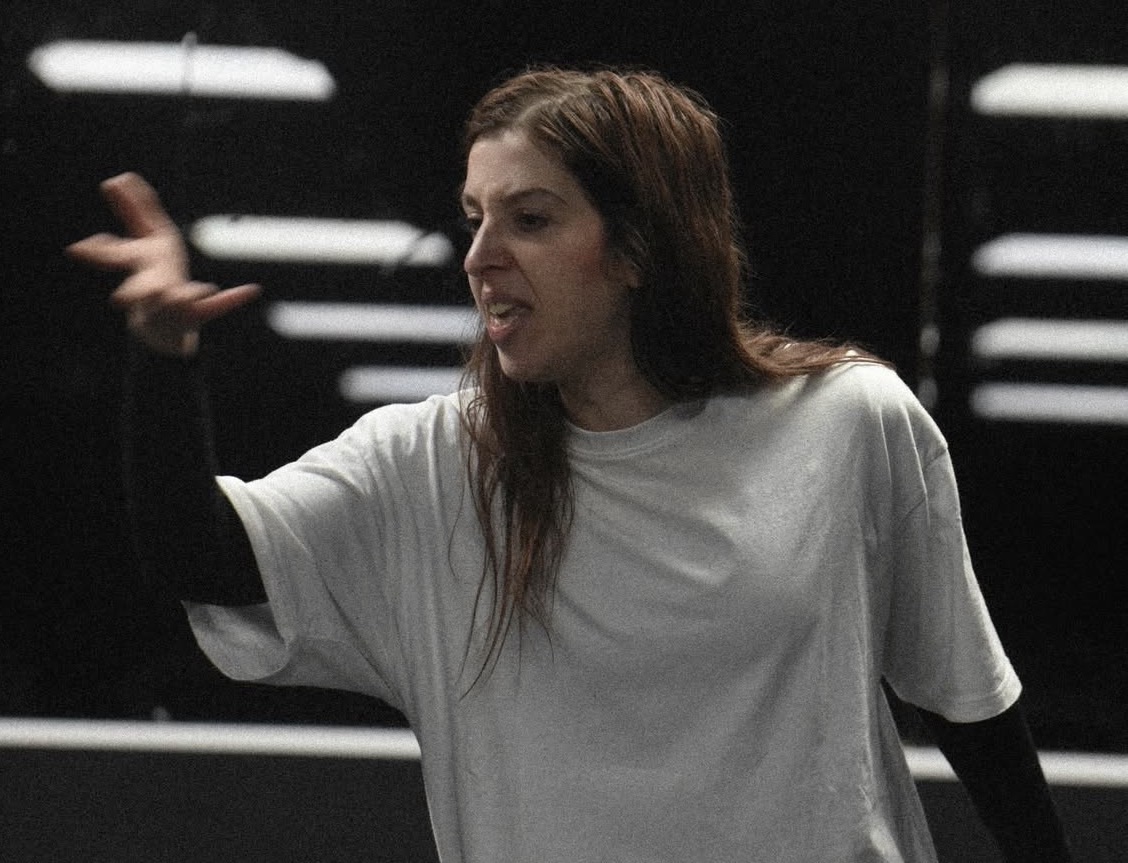
A wonderful touch which must be highlighted is the constant chopping of onions that Rafaela alone partakes in. Yes, you could infer an allusion to a tearful existence with her constantly slicing into them, but more significantly they show the structure of the household as it stands. Rafaela is the put-upon woman who is treated more as a servant than a member of the family, and so of course it is her who is constantly preparing food which the others only move aside when needing to sit down – and of course it is the very food she is forever preparing that is hurled against her in a highly-charged moment.
Maybe the only true criticism of 1999 as it stands is that I wish there were more. Not that the themes aren’t properly explored, nor the characters’ wants aren’t well-established… I quite literally want more of the show, a slightly longer runtime to absorb these characters even more, and to become truly lost in their struggles. This isn’t the fault of anyone involved, of course, with a 9pm start time allowing only a one-hour run, but consider this less a critique and more a crossing of my fingers, that 1999 makes a return sooner rather than later, and that João and co. be given the option, should they need it, to expand this already richly-felt play.
Final Thoughts
Insular. Stirring. Strong.
⭐️ ⭐️ ⭐️ ⭐️
A sharply-crafted play with three performances whose strengths are revealed slowly rather than being thrown in audience’s faces from the start, 1999 finds its bright performers making strong use of its claustrophobic staging and its ever-present onions. João’s co-founded Rat Gurl Productions touts itself as, “women led [and] with a flair for the extraordinary,” and with 1999 I am inclined to agree.
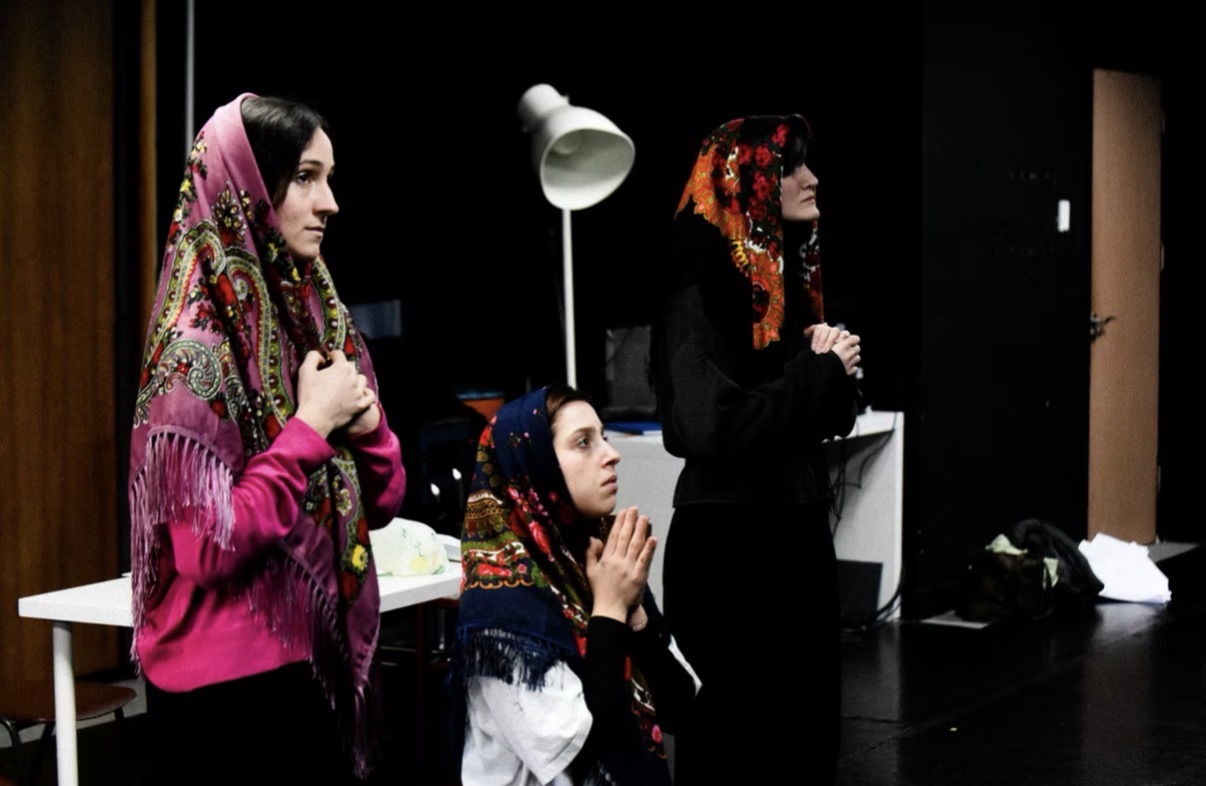
L-R: Cristina Barracho, Ana João, Inês Santos Belmonte




Leave a Reply